Happy Hearts & Sad Hearts
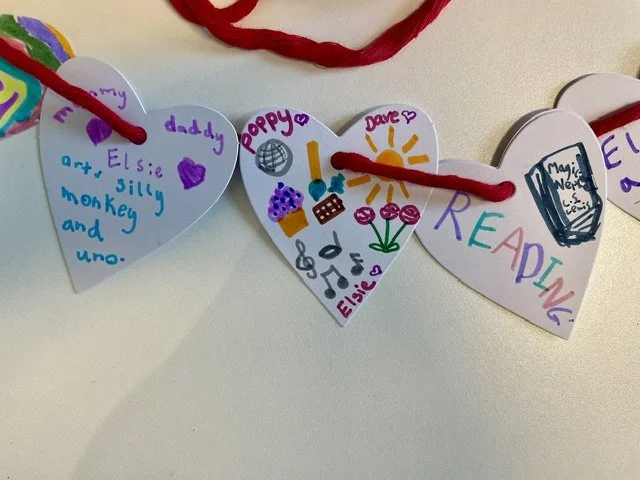
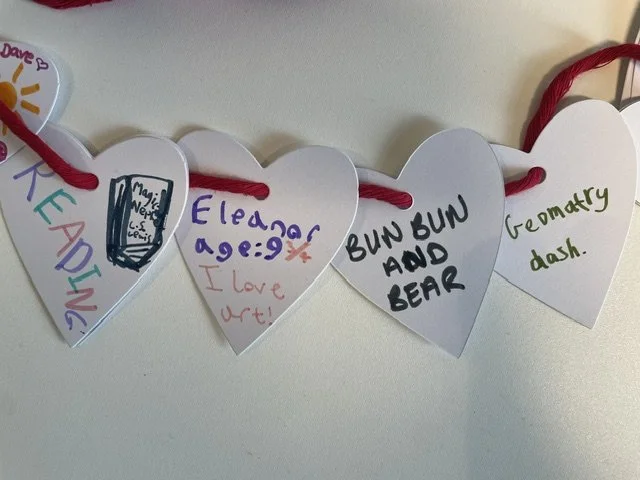
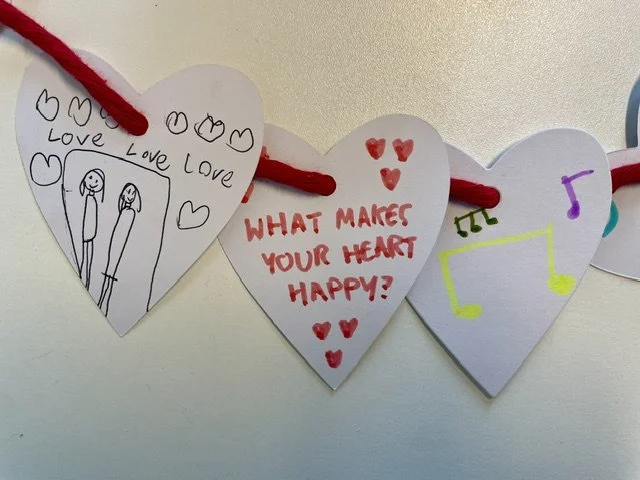
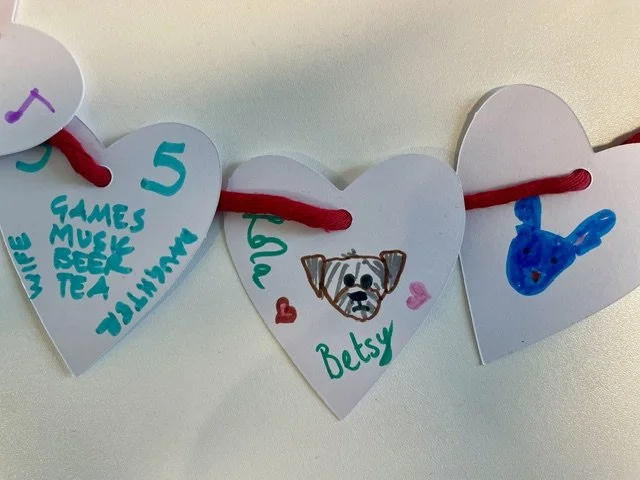
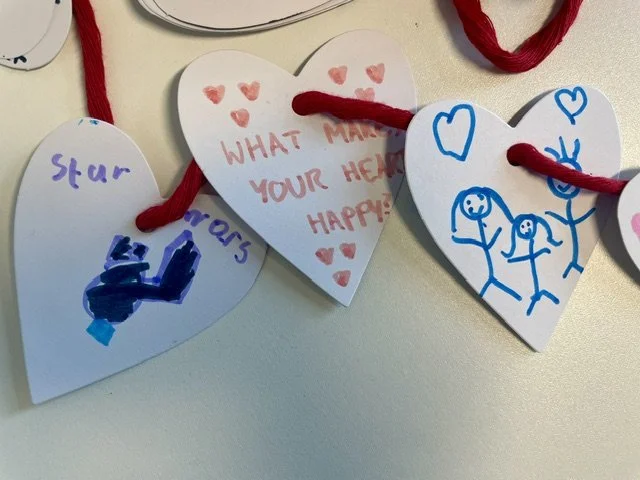
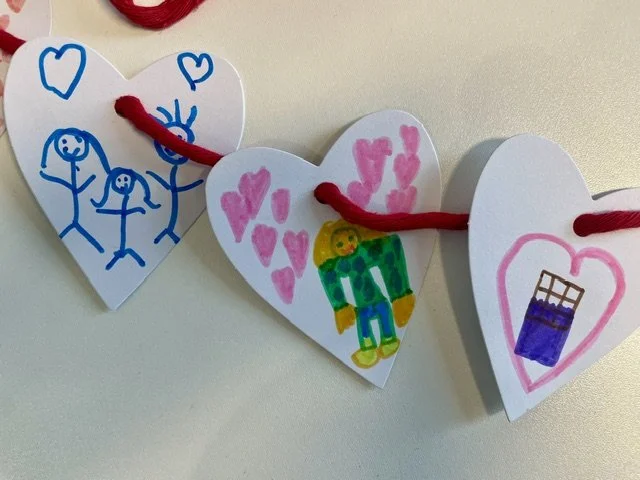
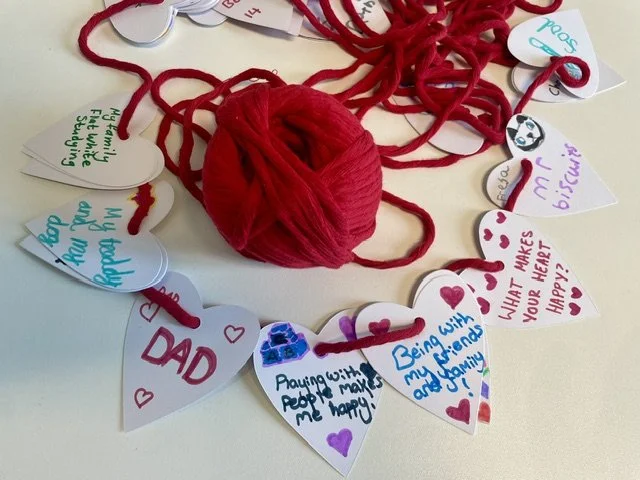
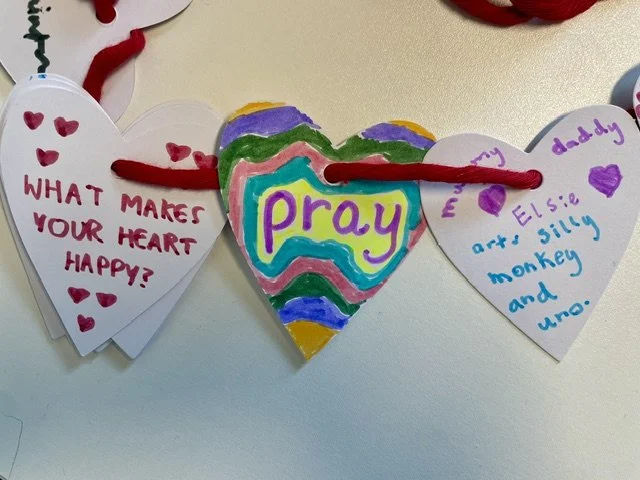
This Summer, two first-year undergraduate History students from the Cabinets of Heartbreak project, Esther Knights and Lorna Wells, ran an activity on 'Happy Hearts and Sad Hearts' as part of the University of Warwick’s Resonate Festival, organised by the Warwick Institute of Engagement. The annual festival is designed to engage children aged four and upward, and their families, with research currently being undertaken at the university.
Esther and Lorna had designed cabinets on ‘broken heart syndrome’ (takotsubo cardiomyopathy) and the heart strings in medicine, which have remained on display in the Faculty of Arts building throughout the year. These were used as the inspiration for a creative activity for children which invited them to connect big feelings such as happiness and sadness to their hearts. They reflect on their experience below:
Esther: We linked the physical heart and emotions by using the prompt ‘what makes your heart happy?’ This garnered a range of answers: family, love, Sonic, hedgehogs, pets, art, music, reading, and even wine (some parents also participated!) To collect these together we created an intergenerational string of heart-shaped cards, detailing what makes someone happy, with their age and name at the back. This allowed participants to create something together on the heart and its feelings, whilst also creating larger pieces which many of them took home with them. Overall, I felt this was a calm and positive space for the children to relax and focus on their emotions in a creative way.
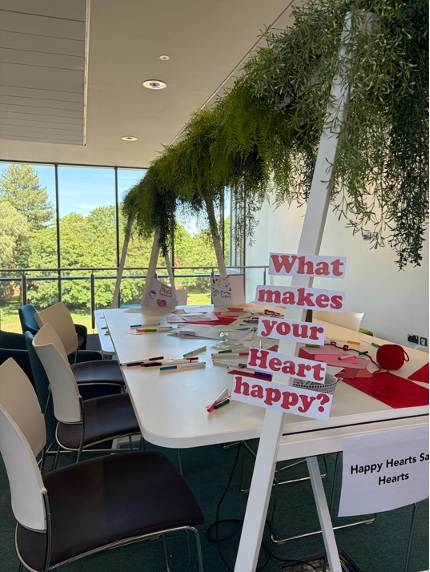
Lorna: This was designed to be an inclusive, colourful, and engaging activity for all ages to explore how they feel happiness and create a link to how the physical heart is seen to house these feelings. We used prompts, including idioms such as ‘pour your heart out’ and ‘wearing your heart on your sleeve’ to explore how the heart is viewed as the central emotional outlet. The activities further explored artistic and written displays of how happiness is felt and encapsulated a range of different topics from individual perspectives. Creating a string of these drawings and pictures on heart-shaped paper, we hung these above our activity to create a collection of different ages’ perceptions of happiness. The outcome of this activity was a collection of thoughts, ideas and drawings to display the infinite ways emotions can be positively felt, and provided a space where discussion was encouraged. This festival was a rewarding project to undertake, both in the planning and execution, and personally I felt this created a hopeful, optimistic atmosphere that encouraged discussion on the importance of recognising positive emotions.
What makes your heart happy?
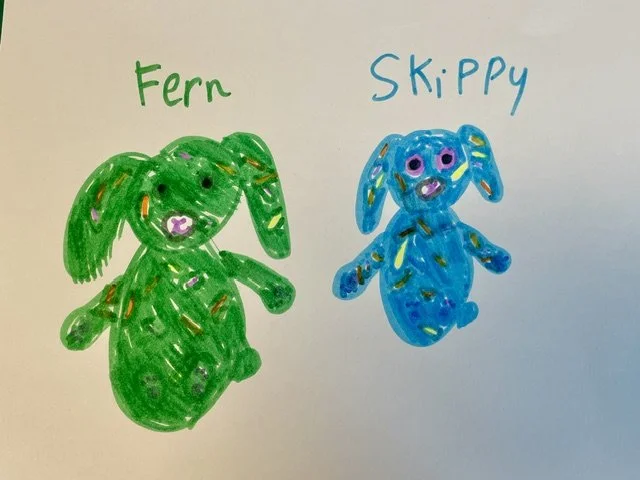
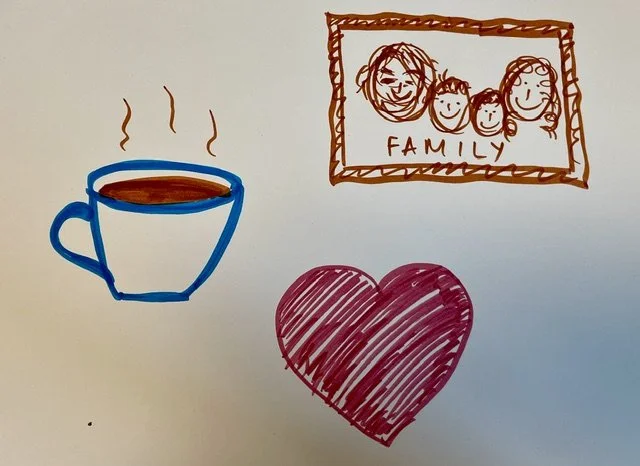
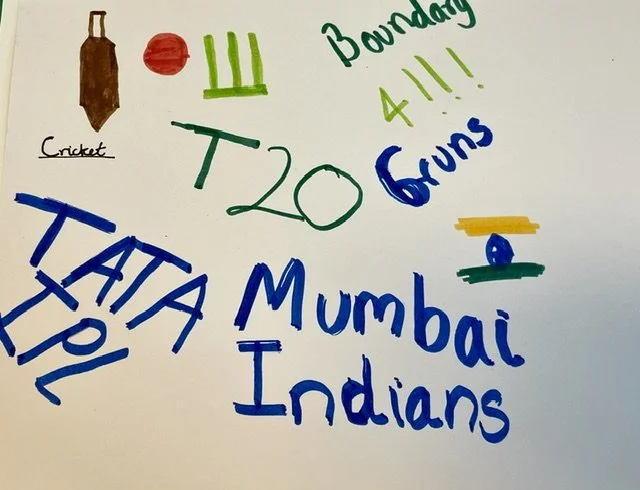
Drawing. Axolotls. Sticky rolls. Gaming. Star Wars. Burgers. Ice cream. Chocolate. Playing with people. Uno. My teddy and my dog. Sunshine. Praying. Reading. Food. Being with my friends and family. Cricket. Playing badminton. Minecraft. Geometry Dash. My rabbit. Cakes. Sunshine
〰️
Drawing. Axolotls. Sticky rolls. Gaming. Star Wars. Burgers. Ice cream. Chocolate. Playing with people. Uno. My teddy and my dog. Sunshine. Praying. Reading. Food. Being with my friends and family. Cricket. Playing badminton. Minecraft. Geometry Dash. My rabbit. Cakes. Sunshine 〰️
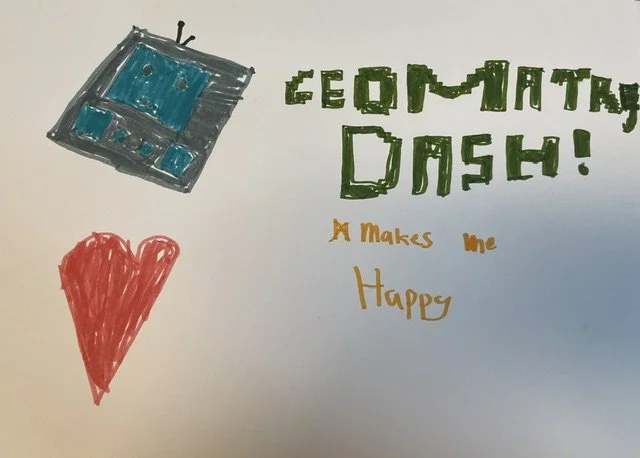
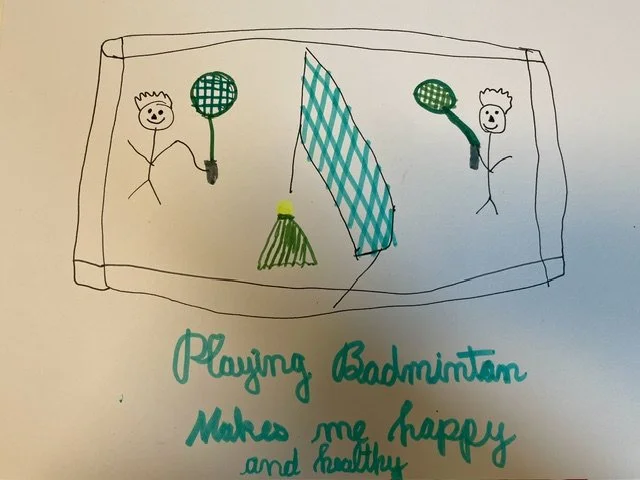
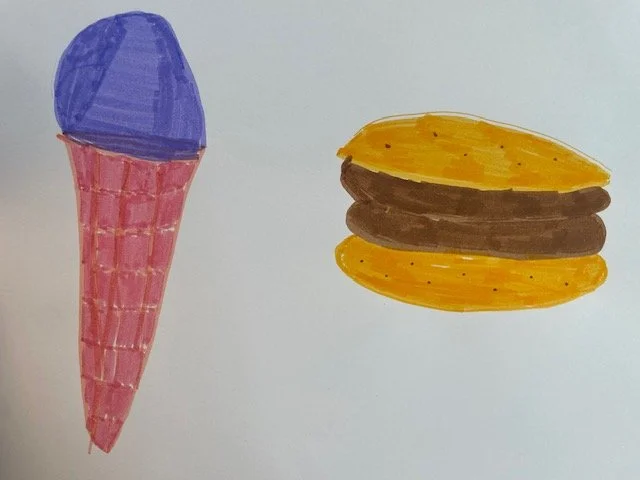
Following the event, children were able to take away Activity Books packed full of topical quizzes and puzzles, word searches, cipher cracking, spot the difference and other challenges inspired by research at the university, which you can download for free here:
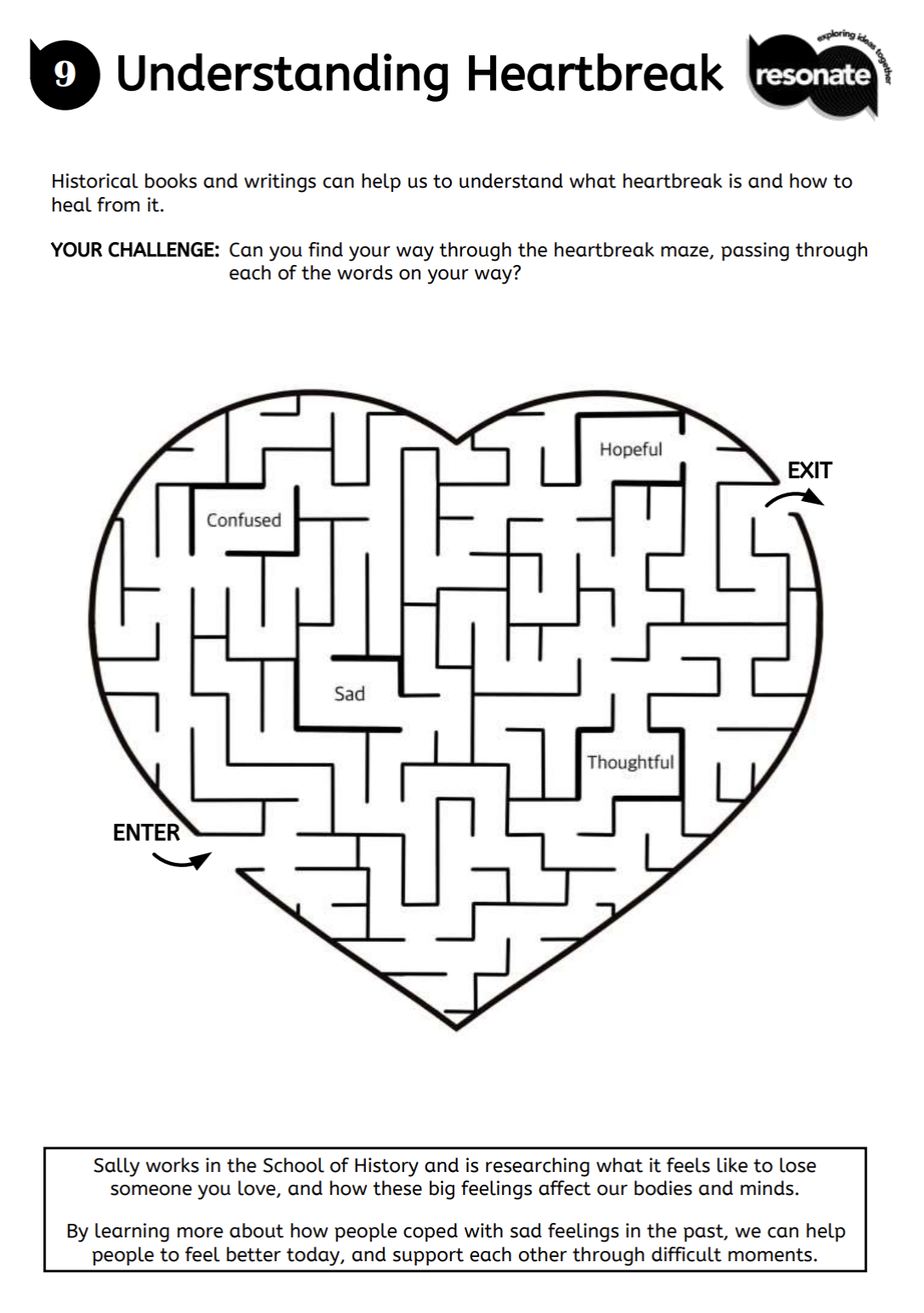
Within the book is a heart-shaped maze inspired by Dr Holloway's research on heartbreak, which requires you to collect certain feelings in order to find your way to the end, beginning with ‘sadness’ and passing through ‘confusion’ and ‘thoughtfulness’ before ending optimistically with ‘hope’.
You can download the maze here to have a go at home.